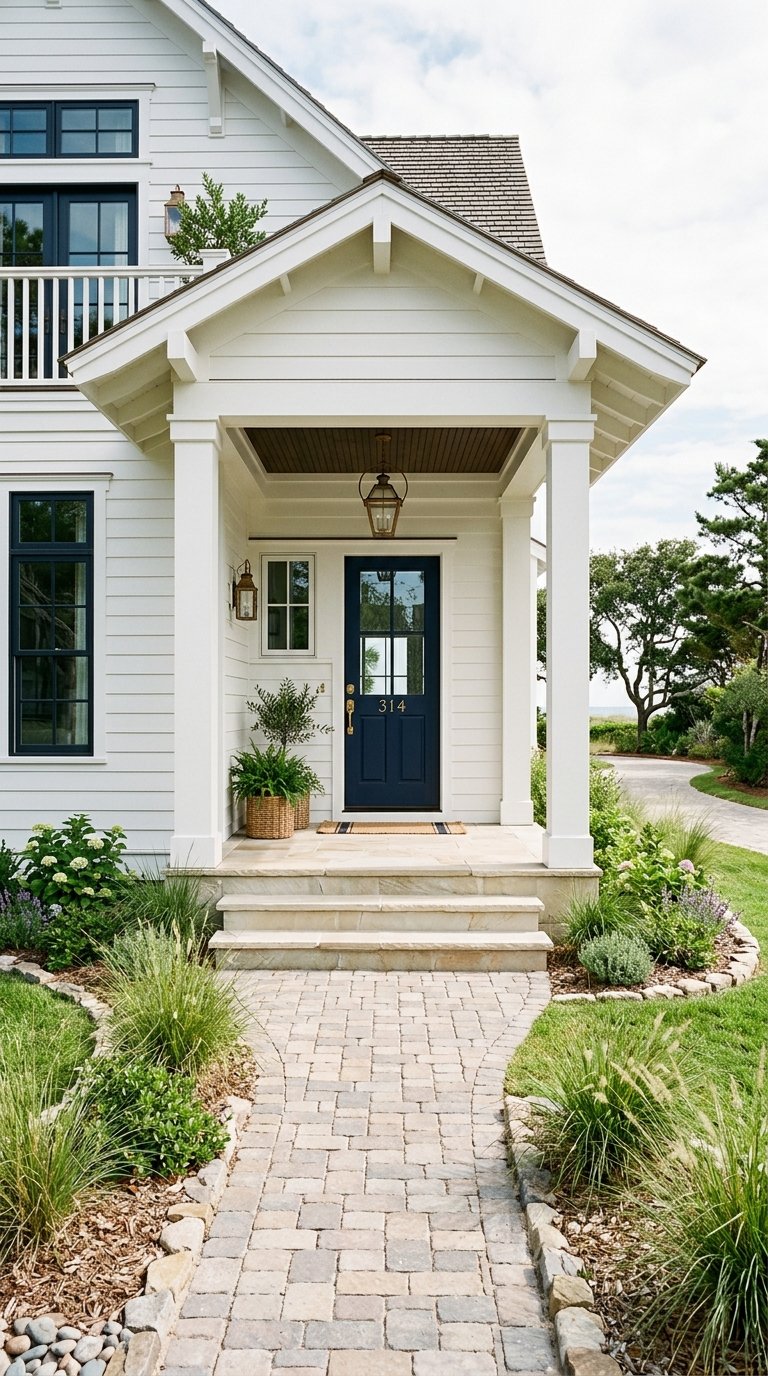
Dreaming about a place at the Jersey Shore? Buying a second home on Long Beach Island can be exciting, but it also comes with decisions that are very different from buying a year-round home in a typical suburban market. If you want a clearer picture of what to expect, this guide will walk you through the market, the town-by-town differences, and the practical details that matter before you buy. Let’s dive in.
Why Long Beach Island stands out
Long Beach Island is an 18-mile barrier island in southern Ocean County, New Jersey. It includes six municipalities: Barnegat Light, Harvey Cedars, Surf City, Ship Bottom, Long Beach Township, and Beach Haven.
For second-home buyers, that matters because LBI is not one single market with one single lifestyle. Each town has its own rules, beach access patterns, and day-to-day feel, so your experience can vary depending on where you buy.
Long Beach Township’s 2025 housing element also shows just how seasonal the island is. Only 17.7% of housing units are inhabited year-round, while 82.3% are vacant in colder months. That makes LBI a strongly seasonal second-home market rather than a conventional full-time residential market.
What second-home buyers should expect
Buying on Long Beach Island often means balancing personal enjoyment with practical ownership costs. You may be thinking about weekend use, summer stays, guest visits, or possible rental income, all at the same time.
That is why your buying strategy should go beyond the home itself. You also want to understand the municipality, beach rules, flood considerations, and any local requirements that may affect how you use the property.
Beach Haven and LBI market differences
Beach Haven is one of the most recognized parts of Long Beach Island, and it has its own distinct rules and character. The borough notes that it sits about one mile off the southern coast of New Jersey and is prone to hurricanes, tropical storms, and nor’easters.
Beach badges in Beach Haven are valid only within the borough from 12th Street to Nelson Avenue. During the season, badges are required from 10 a.m. to 5 p.m. daily except Wednesdays. The borough also notes free public parking near beach entrances, along with public restrooms, rinse stations, and a beach taxi service for physically challenged visitors.
Other towns on the island operate differently. In Barnegat Light, 2026 beach badges are $40 pre-season through June 5, $50 in season, $25 weekly, $10 daily, and $12 for seniors 65 and older. Harvey Cedars requires badges for anyone 12 or older beginning June 15, 2026, with pricing of $40 pre-season, $50 in season, $20 weekly, $7 daily, and $12 for seniors.
Ship Bottom has its own beach geography and rules as well. Its ocean beaches run from the southern end of 3rd Street to the northern side of 31st Street, while bay beaches run from 13th to 16th Street, and badges are required from the weekend before Father’s Day through Labor Day weekend for anyone 13 or older.
Long Beach Township is not one market
Long Beach Township deserves special attention because it covers many separate sections of the island. These include Loveladies, High Bar Harbor, North Beach, Holgate, Brant Beach, Beach Haven Crest, Brighton Beach, Peahala Park, Beach Haven Park, Haven Beach, The Dunes, Beach Haven Terrace, Beach Haven Gardens, Spray Beach, and North Beach Haven.
For you as a buyer, that means one township can still offer very different ownership experiences. Access patterns, beach use, and the overall setting can vary from one section to another, so it helps to compare areas carefully instead of treating the township as one uniform option.
Property types you are likely to see
Long Beach Township’s housing plan says the housing stock is predominantly single-family detached units built throughout the 20th century. That points to a market where detached shore homes are a common part of the inventory.
In Beach Haven, you may also encounter historic properties. The borough’s Historic Preservation Advisory Commission says the historic district was expanded to 30 blocks, and property owners should contact HPAC early in the planning process when they want to make changes or improvements.
Beach Haven’s historic materials also highlight preserved Queen Anne and Victorian-era homes as part of the borough’s architectural identity. If you love historic character, that can be a major plus. At the same time, it can add another layer of review when repairs or renovations are planned.
Flood risk should be part of your search
On a barrier island, flood review is not optional. Beach Haven’s flood information page says the borough is prone to flooding from hurricanes, tropical storms, and nor’easters, and local permits are required for all developments and improvements.
The same page says that if the cost of repairs, reconstruction, or improvements equals or exceeds 50% of replacement cost, the structure must comply with FEMA flood regulations and may need to be elevated to base flood elevation. It also notes that elevation certificates are kept on file in the Building Department and are available on request.
That makes due diligence especially important before you buy. You will want to review flood-zone information, ask questions about prior improvements, and get an insurance quote early so you understand the real ownership picture.
NJDEP also notes that its Flood Indicator Tool is only a screening tool. It does not calculate actual risk, and the absence of indicators does not mean a property is flood-free.
The island is managed, but still exposed
The U.S. Army Corps of Engineers says the Long Beach Island beachfill project is intended to reduce risk from waves, erosion, high tides, and storm surge. Periodic nourishment is authorized on a seven-year cycle.
That is helpful context, but it should not create false confidence. Long Beach Island remains a barrier beach with real storm exposure, so buyers should think in terms of risk management, maintenance planning, and insurance from the start.
Understand local rules before you buy
One of the biggest mistakes second-home buyers can make is assuming the rules are the same everywhere on the island. They are not.
For example, Beach Haven bans tents, smoking, alcohol, and dog access on its beaches outside the stated seasonal window. Ship Bottom prohibits dogs on the beach from May 1 through October 1 and does not allow alcohol at any time.
If you plan to bring pets, host guests, or eventually rent the home, those details matter. A property that looks ideal on paper may fit your lifestyle better or worse depending on the municipality’s specific code.
If you plan to rent, know Beach Haven’s steps
Some second-home buyers want flexibility to rent the property at least part of the year. If you are considering a home in Beach Haven, it is important to know that the borough requires rental registration steps for homeowners who plan to rent.
According to Beach Haven’s 2026 mailer, those steps include a smoke and carbon monoxide inspection by the Ocean County Fire Marshal, submission of a current insurance declaration page, and an administrative fee. The borough also recommends sharing its renter guidance with tenants.
Even if rental income is not your main reason for buying, understanding those local requirements early can help you evaluate whether a property matches your goals.
Budget for more than the purchase price
When you buy a second home on Long Beach Island, your budget should include more than mortgage and closing costs. Ongoing carrying costs can vary by municipality and by how you plan to use the property.
Beach badges are a simple example. In 2026, Harvey Cedars daily badges are $7, Beach Haven daily badges are $10, and Barnegat Light daily badges are $10 with weekly badges at $25. Barnegat Light and Beach Haven also list seasonal badges at $50 in season.
These are not major expenses compared with the cost of owning a home, but they reflect a bigger truth about shore ownership. Town-specific fees, rules, and access costs are part of the day-to-day picture.
A smart way to evaluate a second home
If you are comparing homes on LBI, it helps to look at each property through both a lifestyle lens and a financial lens. That approach can help you avoid surprises after closing.
Consider questions like these:
- How often will you use the home in peak season versus the off-season?
- What are the flood-zone and insurance implications?
- Are there local permit or renovation limitations?
- If the property is in Beach Haven, could historic review affect future improvements?
- Do the town’s beach rules fit how you want to use the home?
- If you may rent the home, what local registration steps apply?
A second home is both personal and practical. The best purchase is usually the one that fits your goals clearly, not just the one with the strongest first impression.
Why local guidance matters
A Long Beach Island purchase often involves more moving parts than buyers expect at first. Seasonal demand, town-by-town differences, flood considerations, and use restrictions can all shape whether a home is truly the right fit.
That is where experienced guidance can make a real difference. When you work with someone who is attentive to details, financially minded, and focused on helping you make a confident decision, you are better positioned to buy with clarity.
If you are considering buying a second home on Long Beach Island and want practical guidance tailored to your goals, connect with Cheryl Brunetti for thoughtful support every step of the way.
FAQs
What makes Long Beach Island different from a typical second-home market?
- Long Beach Island is a strongly seasonal market, with Long Beach Township reporting that only 17.7% of housing units are inhabited year-round and 82.3% are vacant in colder months.
What should buyers know about Beach Haven flood risk?
- Beach Haven says it is prone to flooding from hurricanes, tropical storms, and nor’easters, and some improvements or major repairs may trigger compliance with FEMA flood regulations.
What property types are common on Long Beach Island?
- Long Beach Township says its housing stock is predominantly single-family detached units built throughout the 20th century, and Beach Haven also includes historic homes in parts of the borough.
What should buyers know about Beach Haven historic properties?
- Beach Haven’s historic district spans 30 blocks, and property owners are advised to contact the Historic Preservation Advisory Commission early when planning changes or improvements.
What should buyers know about renting out a second home in Beach Haven?
- Beach Haven requires rental registration steps that include a smoke and carbon monoxide inspection by the Ocean County Fire Marshal, a current insurance declaration page, and an administrative fee.
Why do beach rules matter when buying on Long Beach Island?
- Beach rules vary by municipality, so details such as badge requirements, dog rules, and other beach-use restrictions can affect how well a property fits your plans.